
Instill Confidence with Bank Comfort Letters from Elysian Capital!
What is a Bank Comfort Letter?
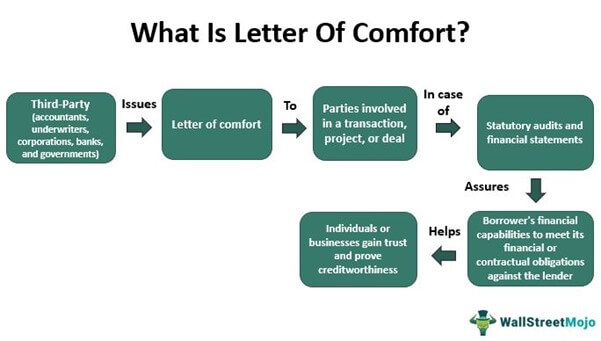
A Bank Comfort Letter (BCL) is a document issued by a bank on behalf of its customer, demonstrating the customer’s financial capacity and commitment to fulfill a specific financial obligation. The BCL serves as a form of assurance to the beneficiary of the letter that the bank’s customer is capable of meeting their financial obligations. In international trade, BCLs are often used to provide confidence to sellers that the buyer has the necessary financial backing to complete the transaction.
Uses of Bank Comfort Letters
Bank Comfort Letters are commonly used in international trade transactions for various purposes, including:
Bid Bonds: A Bank Comfort Letter (BCL) can be utilized as a bid bond to showcase the financial capacity of a bidder participating in a tender process. This letter serves as a guarantee from a bank that the bidder has the financial strength to fulfill the terms of the bid if selected. BCLs provide reassurance to the tendering party that the bidder is financially sound and capable of carrying out the obligations of the contract.
Performance Guarantees: A Bank Comfort Letter (BCL) can also function as a performance guarantee, providing assurance to the beneficiary that the seller will fulfill its obligations under the contract. This letter is issued by a bank on behalf of its client, demonstrating the bank’s support for the client’s performance. BCLs serve as a form of security for the beneficiary, ensuring that they will be compensated if the seller fails to meet their contractual obligations.
Payment Guarantees: A Bank Comfort Letter (BCL) can be utilized as a payment guarantee, assuring the beneficiary that the buyer will fulfill their payment obligations for goods or services received. This letter, issued by a bank on behalf of its client, provides the recipient with assurance that the buyer has the financial capability to make the required payments. BCLs serve as a form of security for the beneficiary, ensuring that they will receive payment for the goods or services provided.
Benefits of Bank Comfort Letters
Risk Mitigation: Bank Comfort Letters serve as a form of guarantee to the beneficiary, assuring them that the bank will intervene if the customer fails to fulfill their contractual obligations. This assurance helps alleviate the concerns of the beneficiary regarding the financial capability of the customer, enhancing trust and confidence in the transaction.
Credibility: A Bank Comfort Letter (BCL) enhances the credibility of the buyer or seller by demonstrating that a reputable bank is willing to vouch for their financial capability. This assurance can help build trust between the parties involved in the transaction, as the beneficiary is reassured that the bank is aware of their financial standing and is willing to provide support if needed. BCLs can be particularly useful in international trade transactions, where parties may be unfamiliar with each other’s financial reputations.
Facilitation of Trade: Bank Comfort Letters play a crucial role in facilitating trade by providing assurance to the beneficiary that the bank is ready to support its customer in fulfilling their contractual obligations. This assurance helps build trust between the parties and reduces the risk of non-performance, ultimately ensuring the smooth execution of the transaction.
Conclusion
Bank Comfort Letters (BCLs) serve as a crucial tool in trade finance, offering reassurance to recipients that the parties involved possess the financial capability to fulfill their contractual duties. Understanding the various applications and advantages of BCLs empowers businesses to streamline their international trade dealings while also mitigating potential risks. By issuing BCLs, banks vouch for their clients’ financial standing, thus enhancing trust and reducing uncertainty in trade transactions. This assurance not only facilitates smoother trade operations but also helps protect parties from the financial risks associated with non-performance. Overall, comprehending the role of BCLs is integral for businesses seeking to navigate the complexities of international trade finance effectively.